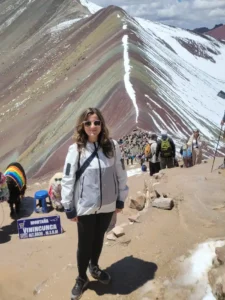


Cusco sits at 3,400 meters (11,150 ft) above sea level, and many of our most popular tours — like Rainbow Mountain, Humantay Lake or the Salkantay Trek — go well above 4,000 m. Altitude sickness (known locally as soroche) can affect anyone, regardless of age or fitness. The good news: with a few simple habits you can reduce the risk and fully enjoy your trip.
What is altitude sickness?
At high altitude there is less oxygen in each breath. Your body needs a few days to adapt. Common symptoms are headache, shortness of breath, fatigue, nausea, dizziness and trouble sleeping. They usually appear during the first 24–48 hours after arrival.
10 tips to prevent it
- Take it easy on day one. Rest after arriving, walk slowly and avoid carrying heavy loads.
- Acclimatize for at least 2 days in Cusco (or the Sacred Valley, which is lower) before any high-altitude trek.
- Start with gentle tours, such as the Cusco City Tour or Sacred Valley, before Rainbow Mountain or Humantay Lake.
- Drink plenty of water — 2 to 3 liters a day.
- Try coca tea, the traditional Andean remedy offered in most hotels.
- Eat light and choose carbohydrates over heavy, fatty meals.
- Avoid alcohol and tobacco during your first days.
- Sleep well and keep warm at night.
- Ask your doctor before your trip about preventive medication if you have had altitude problems before.
- Listen to your body and tell your guide if you feel unwell — all our tours carry emergency oxygen and a first-aid kit.
When should you worry?
If symptoms get worse instead of better — severe headache, vomiting, confusion or difficulty walking — the most effective treatment is to descend and seek medical help. Our guides are trained to recognize these signs and act quickly.
Plan your itinerary wisely
A well-designed itinerary is the best prevention. Our travel advisors can organize your days so that the hardest treks come after you have acclimatized. Write to us on WhatsApp and we will help you plan your trip.